November 5, 2009

preserve


I have been on the hunt for items that have post-consumer recycled product in them. I started to think about how much time we spend recycling paper, glass, plastic, etc. in our homes, but where does it all go really? I mean we all feel better by doing it, but ultimately how are we really helping if we don't actually use our purchasing power to buy things that contain recycled material?

I try and try to buy garbage bags that are either bio-degradable or use post-consumer content. Same with toilet paper and paper towels [although we try to use mostly dish towels I do sometimes just want a paper towel -- and we do get to recycle them in our food bins where I live. More on this in another post]. Luckily Trader Joe's makes this quest a little easier. Their paper products contain post-consumer fiber.

I was reaching for their laundry detergent a few months ago when I spotted preserve's toothbrushes. Oh right. I need a toothbrush - so I picked one up. Nice colors, simple packaging. And then I read the box.

from their website:

Preserve makes everyday products that offer more. We believe performance and style are every bit as important as their impact on the earth. Our toothbrush, tableware and all other Preserve products feel good to use and perform as well as or even better than the old standbys.

We make our products from 100% recycled materials, which saves energy and natural resources. By manufacturing Preserve in the USA, we use less energy to get our products to your door. And all of our products are designed to stay out of landfills when you are finished with them.


Great in theory, right? You mail the toothbrush back to them when you are done and they re-use the plastic again.


So I went to their website and they make SO MUCH more than just toothbrushes.

The colanders [right] are some of my favorites. I also think that I will invest in a razor .

What impressed me the most, though, is that they recycle BRITA FILTERS . Brita Filters have always irked me. I want to use them to clean up my water, but they seem like such a waste of materials. Now I know I can drop them off at my local whole foods and that they will actually get re-used. You can read all about their partnership with stoney field farms yogurt too.

I know we are supposed to consume less -- but there are still times we need to consume. I feel like preserve offers an alternative and is trying to do the right thing.

** all images are from the preserve website.

October 29, 2009

Gift for Good

Holiday shopping. I know, right- but the holidays are less than 2 months away. Less than 2 months. Here is my round-up of socially conscious gifting suggestions:

Donations: I put this first, because the absolute best gift you can give is to your community. Nonprofit organizations have been hit hard by the recession- many states have cut nonprofit services from their budgets and organizations are scrambling to make ends meet. Organizations have also seen their endowments suddenly shrink drastically, and large corporate donations dry up. Domestic Violence shelters are closing all over California and one local museum has recently shut its doors. Many small organizations are one payroll away from closing. We depend so much on these organizations; they are the backbone of American society and losing them is devastating.
What I love about giving donations as gifts, is that you can make it extremely personal to the recipient by donating to a cause which has touched their lives. From breast cancer, to domestic violence, to youth sports, to girl scouts, and so on. Does your recipient love animals? Give to a local shelter. Do they get angry about trash on the beach? Etc. This also goes both ways- find an organization you care about and ask that in lieu of gifts, you want donations. Send your holiday cards out early and specify, or send a mass email. You can avoid the unfortunate trinket and make a real difference. It is also a huge relief for people who might stress over finding the perfect gift, plus they can give one gift donation as a family gift* and feel good about themselves in the process.
Many charities will send out holiday cards announcing the gift to the recipient [less work for you!]- check the website or call for more information. A great place to source out different charities is on Guidestar. Though I would recommend going directly to the organization’s website to donate. Also, most donations are 100% tax deductable for the purchaser.

Memberships*: Museums, zoos, botanical gardens, aquariums, public radio, etc. These are donations with benefits. Not only can you donate to the organization, but the recipient can benefit for the entire year. Many membership driven organizations have holiday specials with gift-boxes that come with the membership. Double check that the organization is a 501(c)(3) [licensed nonprofit through the federal government] to ensure that your member fees go back to the organization. You can do this through Guidestar or call directly and ask. Again, most memberships are 75-100% tax deductable.

Gifts with a purpose: Many organizations have great online shops with merchandise that supports the cause. A lot of these stores carry more than just promotional totebags- Unicef has a great store as does the National Organization for Women. Heifer allows you to purchase an animal for a family in need, who will provide long term sustenance, and sustainability. They will also send a card to whom the gift is in honor of. If you are in the UK, Oxfam has a wonderful store. Find a cause you care about, and search their website for the “Shop” button.
I am extremely wary of any shopping sites that donate a percentage of your purchase to a cause of your choice, along with “Shop [insert colour here]” promotions since these often only donate a percentage of a penny on the dollar and have low to zero accountability. These tend to be marketing tools, rather that organizational support- see Think Before You Pink for more information on "pink-washing". You are better off making a direct donation.

Museum Shops**: Not only will you be supporting art in your community, but you can find great gifts by local artists, fair trade goods, collectable books, and eclectic knick knacks. They also have the best card selections. 100% of the proceeds of each sale goes back to the museum. [full disclosure- I run a museum store].

Locally owned businesses**: Small businesses can do 50-75% of their sales during the 4th quarter. If they have slow sales during the holidays, it can be financially disastrous to someone who has dedicated themselves to their store. By shopping at local businesses, you not only support the store, but the community benefits. “For every $100 spent in locally owned independent stores, $68 returns to the community…in a national chain store, only $43 stays here” Visit 3/50 Project for more information on why you should support local businesses.

Gifts of service: Can you babysit? Can you make an amazing dinner? Carwash? Massage? Closet organization? Remodeling? House painting? Etc. Do you have time or a skill you can offer? For my baby shower, my best friend’s mom, who is a lactation consultant, gave me a free session. It was something I didn’t know I needed [it’s just breastfeeding- how hard can it be? Yeah right.], and made such a huge difference when it came to nursing my child. My daughter & I got a perfect latch immediately, and she had regained her birth weight less than 5 days after birth. I contribute my ease in nursing almost completely to that consultation. Of any gift, that had the biggest impact.
Print up a coupon or certificate and you might change someone’s life, or at least give them a much needed break.

Buying Handmade: Shop etsy. Or a favourite BigCartel shop. Or Supermarket. And in DaWanda in Europe. In November & early December there are usually a ton of craft shows & trunk shows. If you like a local artist, sign up for their mailing list to see any upcoming events. If you live near a Renegrade Craft Fair, go! And if you are in LA, shop at Unique LA. You directly support the artist who loves doing what they do and you show, with your dollars, how important art and crafts are to you.

DIY: Made with love by you. What can be better? With so much commercialization and cheap production, a hand knitted hat carries that much more meaning. Do what you know, or learn a new skill. Whipup.net has fantastic roundups of online tutorials. Work from your stash, or reuse materials to make your items as green as possible. If you plan to make your gifts, start now [2 months- remember!]. If you run out of steam, gift a card with a sample [piece of yarn, drawing of final project, etc.] and an IOU.

So this holiday season please gift with love and with responsibility to your community, the planet, and your wallet.

Please share other gift ideas or stories in the comments!

*These make great whole family gifts too. Read more ideas on family gifts over at Ohdeedoh.

**When buying from a locally owned or museum shop, you have the luxury of dealing with a knowledgeable sales staff [most likely the owner!] and are able to ask: Who made this item? Where was it made? How was it made? Who profits from the sale? Most sales staff are extremely proud of the items they sell and will gladly answer these questions- allowing you, the consumer, to make a socially conscious purchase. Also, do be afraid to ask for any sort of documentation on your purchase so you can pass that information on to the gift recipient!
All images are stock photos of the museum store.

October 20, 2009

Solar Decathlon

solardec1

One of the holy grails for a green building is achieving a net-zero existence. A couple of weeks ago I visited the bi-annual exhibit featuring the future of net-zero residences as sponsored by the Department of Energy on the national mall-The Solar Decathlon. The department describes the event as a competition in which 20 teams of college and university students compete to design, build, and operate the most attractive, effective, and energy-efficient solar-powered house.

electricity

food

heat

daylight

This is the fourth event since 2002. The 10 finalists set up on the national mall in the form of a village on a main street (of sorts)and education centers at the center of the solar village. The contest lasts a little over a week and the contestants are judged on the following categories:

Architecture
Market Viability
Engineering
Lighting Design
Communications
Comfort Zone
Hot Water
Appliances
Home Entertainment
Net Metering

solardec3

During 9 days of the contest, visitors can line up and meander through each house. The design team of students and professors are on hand to answer any questions. Select team members spend the night at their temporary home on the national mall, so someone is living in the building for the entirety of the contest.

solardec2

These houses are machines for living. It would require more that your standard afternoon to really understand the complex workings of the systems involved in regulating energy usage. In order to compete, these houses had to be theoretically net-zero. I was most interested in the day-to-day living one could expect to have in a net zero house. How livable was it?.

solardec7

Bugheart and I had time to tour most of the houses. This event was very well attended and the average wait just to get into a house was 45 minutes!

solardec_busy

The most successful houses created an efficient floor plan that tied into the greater landscape. These houses integrated the solar technology into the building form. The floor plans were open with non-specialized rooms. Gone are the days of grand foyers and seasonal dining rooms in the new green home. The future of energy efficient design requires a new approach to the floorplan in which rooms serve many purposes. The multi-use room echoes the floorplans of vernacular houses of early America. Due to energy constraints of the time (fireplaces , coal, & wood), the same rooms were often used for dining, dancing, sleeping. In both the homes designed by Germany and Ontario, the beds were retractable. This reinforced the idea that a bed is not used all day long, so that space should be used as a general living space during the day. Kitchens were small for the most part, so chefs of the future will have to be efficient as well.

solardec4

Our favorite buildings had integrated the solar gathering technology into the siding so it became part of the building rather than an accessory. The everyday interaction with the system was also integrated into the interiors. Many of the systems were automated and could be controlled by a mere app on your iphone.

solardec5L

My job is to design dream houses. Our clients’ dreams involve a lifestyle they never had- space for all the luxuries of life. They always want one more room- a room for crafts, storage, etc. My visit to the Solar Village made me realize that with current technology we must strive to use less. Less space. Less stuff. The village on the mall represents a change in the way we live and view living- the complete opposite of what I or my clients want.

solardec6

Space is one of those guilty pleasures. An extra room gets filled with massive amounts of embodied energy- the energy it takes to build and maintain it. It is a professional conundrum. Do I give the client what they want or do I use my skills guide the client to getting what they want in a more responsible way? I envision the next time a client asks for a craft room or a large master bathroom that I should take a serious look at the design plan and ask, Do you really need that? Let’s find a way to work with what you have…

solardec9

Germany, one of our favorites, was declared the winner.

solardec_lastL


October 11, 2009

crafty bastards in DC

crafty bastards

welcome to
crafty bastards
the 6th
annual indie craft fair
that took place
in DC
last weekend...

DC has a active
indie craft community
and this is
evident in both
the hoards
of vendors
and visitors
to crafty bastards
each year.

here's
a little tour
of crafters
that caught
my eye
at the show:

crafty bastards: make something awesome

first and foremost,
green craft
i discovered
an amazing
site that brings
green crafters together
called
cosa verde
here's how they
describe themselves:
is an online marketplace connecting independent artists
with eco-conscious shoppers.


also,
i met
two crafters
who specifically
focus
on eco-friendly crafts:
tlane: functional items for the green-minded person on the go
craftgasm: all items made from recycled paper

. . . . .

but when it
gets down to it
supporting
any crafter
that makes
unique
handmade items
is better
than buying
mass-produced items.

jewelry
megan auman: "modern, graphic" pieces made from metal or felt.
figs & ginger: i love their bird & fawn rings and necklaces
beth pohlman jewelry
brookadelphia
amy klainer: bold organic pieces made out of wood or metal.
swearjar design


paper & posters

your secret admiral: i was smitten with her journals and day-planners. beautifully made.
strawberry luna
ryan berkley illustration
tugboat
dirty pictures
something's hiding in here: if you haven't heard of this design duo, then you must check them out.
see photo of them
below.


crafty bastards: somethingshidinginthe

tees
maryink: a tee shirt design co. out of nashville, tn. some of the coolest designs i have seen. see the one i bought here.
allison rose

textiles
home sweet

beauty
bunny butt apothecary: i am always looking for animal-friendly deodorant and products that actually work. bunnybutt saves the day!

please do check out
crafty bastards'
the online vendor gallery!
all of these crafters
have online stores-
a great place
to do your shopping
for the holidays.

crafty bastards: hopscotch

October 8, 2009

keeping the harvest

sweetpotatoes

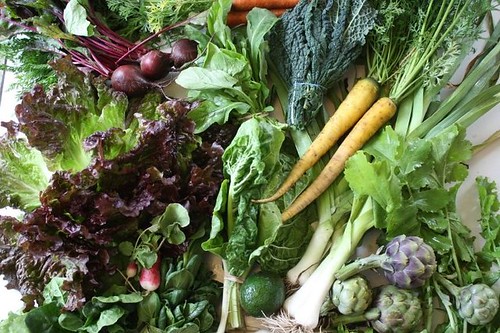
Fall harvest time is just about here! The nip in the morning air, and the new crop of greens, lettuces, sweet potatoes and cruciferous vegetables at the farmer's market and in our garden get me thinking about all the good things I want to cook this fall. I'm also getting a bit wistful already thinking about how much I will miss the fresh veggies this winter, and scheming about how to put some veggies up for those thin months.

Last week we got an inspiring email from the wonderful farmer who runs our CSA, Wild Onion Farms, about easy ways to save some of the harvest for winter. Here's what she said:

"Here's a few tips on how to easily put away some real fall food for later, without any special equipment or a lot of long sweaty hours in the kitchen:
  • I've cured the sweet potatoes and butternut squash for storage already. If you want to stock up on these, the squash will last another 1-2 months, the potatoes will last 'til spring. Store them in a cool, dry, dark place (50-60 degrees is ideal). A chilly basement or garage is good. If you want to extend the butternut squash, go ahead and bake up a huge batch, put it in freezer bags, and stash it away in your freezer.
  • Basil can easily be frozen: chop it up in a food processor and throw in little bags in the freezer, or go ahead and make a big batch of pesto and freeze that in individual portions (omit the cheese, it doesn't freeze well).
  • Peppers, hot or sweet, can be chopped up, tossed in freezer bags, and chucked in the freezer. Nothing more. They won't retain their texture, but it won't matter if you're adding them to winter soups, stews, or sauces.
  • Okra can be stashed away by cutting it up into slices, dip it into boiling water for a minute, drain, pat dry, and pack into freezer bags or containers.
  • Cooking greens of any sort are really easy to freeze as well. Wash, chop, blanch in boiling water for a minute. Drain them, squeeze any excess water out, and pack away into the freezer.
  • You can also cook up large batches of any of your favorite dishes, from garlicky greens to grilled eggplant, and tuck extra portions away in the deep freeze to enjoy months from now.
  • Most root vegetables (beets, carrots, radishes, turnips), once you've removed the tops and placed them in plastic bags in the fridge, will last for months."
- Elizabeth Haarer, Wild Onion Farm (shared with permission)

I've been working on some of these easy harvest-extenders, and thought I'd share some of my favorite recipes, too.

Last week I made up a batch of Vietnamese-style hot chili sauce with the hot peppers in our garden, using this recipe. I had plenty to make a jar for us and share a big jar with my sister. This would make a great gift for someone who likes to cook and loves hot food.

Here's a link to my method for making big batches of savory vegetable stock - it's a great way to use up your veggie odds and ends, and makes a delicious, hearty, nutritious broth for winter recipes.

Elizabeth mentioned garlicky greens in her email, and it got me thinking about this wonderful recipe from my dear friend Anne, who loves to have cooking (and eating) parties with friends. If you're not from the Southern U.S., you might not know how wonderful collards can be -- and even if you are from the south, you might have only had them cooked to death with a hamhock. This is a great way to find a new (and vegetarian) appreciation for a humble green leaf:

Sauteed Collards (or any other hearty green you like)

Ingredients: 1 bunch of collards for 2-3 people
4-6 garlic cloves
1/4 cup olive oil

Rinse collards and remove the ribs from the middle of the leaves. Then stack the leaves in a pile and roll them up like a cigar. Then thinly slice them.

Peel the garlic and slice each clove in half long-ways unless really large, then slice into thirds.

Heat the oil over medium heat. When hot, add the garlic and cook until just getting golden, and remove. Do not let them get brown or they will make the oil a bad (burnt) flavor. Now turn up the heat to medium high and add the collards with whatever liquid clings to the leaves. Stir them with a wooden spoon or tongs, being sure to bring up the ones from the bottom so everything gets cooked. I like them crunchy, but you can cook them to your liking. Just before serving, add the garlic back in and stir them up.

I like to serve these with plenty of freshly ground black pepper, and some apple cider vinegar on the side for purists. Have fun cooking up your harvest this fall!

September 23, 2009

(sub)urban chicken keeping. part II

(part I found here.)

modern chooks

So the chickens have been with us for over a year now. We love them. A friend recently compared them to having three poodles - and they weren't really far off. They follow me around the yard, stand by the backdoor begging for a treat, or to be let in, (they aren't - at least not often) and one of them in particular loves to be held. Our pullets have grown into hens, and two are currently experiencing their first molt. (Which involves the loss of feathers and decrease in egg production while all their energy goes into a glossy new coat.) It is wonderful!

So what do you need to know? This is by no means comprehensive, and I strongly encourage further reading of any / all of the resources listed at the end.

Is permission from your city required to have them?
More and more cities are allowing homeowners to keep backyard chickens. In Los Angeles, we are lucky to live in an area zoned for agriculture (not all neighborhoods are) and we are allowed to have a flock, with the only caveat being a "distance requirement". Hens are to live 20 feet from our residence and 35 feet from our neighbors residence (not the property line) and if we had a rooster, that would change to 100 feet from our closest neighbor. (To learn more about local codes, there is a good starting point over at The City Chicken - but do make sure to find out what your city, or neighbourhood, allows before buying your chicks.) **Yesterday Los Angeles passed a new law limiting the number of roosters kept in the City to one, without a permit.**

Don't you need a rooster to get eggs?
No! You only need a rooster if you want chicks.

How long do hens live? and how long do they lay?
My reading tells me that they can lay consistently for up to five years. They live (and will lay sporadically) for eight or more.

What are the costs?
Our chicks were under $3 each to purchase. The coop was more of an investment - but we are lucky that D is a carpenter and could build it in-house. Their feed is an on-going expense (and like everything, more expensive if you go organic). You should also consider veterinary pills, should a chickens become ill, or injured.

132:342

How much space do chickens need?
In my research, a rule of thumb seemed to be that each chicken should have at least 10 square feet of yard to run around in, and 4 square feet of hen house. They also need a nesting box (our three share a 4 ft sq box within the hen house), seem to like a place to perch (not too high, and wide enough to comfortably support their feet), and a spot for a dustbath. (I'll add that I don't think the nesting box is necessary - but makes it easy for us to know where to look for eggs. They like a private spot, and have also been known to lay in cardboard boxes left in the yard, as well as on one particularly hot and uncomfortable day, right at my feet.)

How do you keep them safe?
In designing and constructing our coop, raccoons and possums (to which we have lost all our koi) were forefront in our thoughts. D made sure that the run of the coop was made from heavy cage wire (not "chicken wire" which isn't very strong) and that the hen house had secure doors and window. Raccoons are very good with their hands, so we have locks (simple carabiners) on all entries that go on every night. We are fortunate that I work from home, so the hens are usually found wandering the backyard through the day. I am always listening, and they have alerted me to intruders such as neighbourhood cats and ducks (who like our pool)with lots of clucking and wing flapping.
It is also important to protect them from plants that may be poisonous to them, as they like to nibble on most things green. Oh, and chickens can't swim. So if you have a pool or pond, keep this in mind.

Will D share his coop plans?
I'll ask him... He developed his plan from a lot of research on-line, and in the books listed below.

How do you protect them from the heat?
We live in a very hot area of Los Angeles (high of 103 today!) so this has been a major concern. (We have a close friend who tragically lost a hen to heat stroke this summer.) We can easily see the girls discomfort as the temperature rises and they begin to lift their wings and pant to stay cool. We hose down their area (and the one of them that likes to be sprayed) regularly on hot days - as well as keeping a supply of ice packs at the ready to cool the nesting box and under some of our trees where they will lie, and get some relief. It is also very important to have cool water available for them to drink. I have found that while cute, our hens aren't the brightest bulbs in the box and will often not go to drink when they are thirsty, but when I bring them water they are quick to take a sip.

What do they eat?
Our girls eat "laying pellets". It is recommended that a fully grown, laying chicken needs 5 oz of food / day. They forage instinctively (good-bye backyard bugs!) and also love treats from the kitchen (pasta, rice, fuits and veggies are good, but avoid anything salty, sugary, fatty, citrus or meat.) One of ours has even eaten a mouse. Because chickens don't have teeth, they rely on grit to digest their food. If they can't find small stones in their surroundings, grit must be supplied.

Do they eat everything in your garden?
Yes. And no. We are in an ongoing experiment to see what is "chicken friendly" in our yard. (ie. It is safe for the chickens to eat, but they aren't interested in eating it.) It has been hit and miss. They do seem do love crabgrass (good!), but also loooove my succulents (bad!). We had to put a fence around our vegetable garden to ensure the produce ended up on our table. (Though they don't seem to like tomatoes.)

Are they clean?
Like any pet, that depends a lot on your input. The birds themselves are very clean. They love to have a dustbath, and will take up in one of the flowerpots if not provided a spot. (Ok, to be honest, they may take up in a flowerpot anyway. I have lost a lot of plants to this.) They spend a lot of time grooming themselves, and unless you are showing them, do not need to be bathed. They void half of their poop in the night, so their coop does need to be cleaned regularly. (Aside from the daily cleaning we wash it out thorough with a teatree oil soap monthly, and we have dusted with foodgrade diatomaceous earth every six months as part of our pest-control management.) We also keep our food supply locked in a metal garbage bin at night to dissuade any rodents looking for an easy meal. The design of our coop allows us to move it around the yard, so one area does not become inundated with all things chicken. Their food and water receptacles also need to be cleaned regularly.

heads or tails

Ok, but what about the poop?
Yes, chickens poop. And sometimes it seems like a lot. We clean our coop and run every day, and the smell isn't evident. We line our hen house with shredded newspaper (only the non-glossy pages, printed with soy ink) and toss it, poop and all, into our composter. Chicken poop is rich in nitrogen, and makes for lovely compost. We haven't found a marked increase in flies - though I have heard others complain of this.

chick-a-dee

If you had to do it all over again would you?
Yes. No hesitation. I have been converted. While certainly not for everybody, they have been a wonderful addition to our family. And their eggs are yummy too!

Further reading / resources (again, by no means comprehensive):
On-line:
BackYardChickens
Green Frieda (I love their coop - which was featured last winter in the LA Times.)
Homegrown Evolution
One Block Diet (Sunset Magazine's blog)
The City Chicken
Urban Chickens

On the bookshelf:
Keep Chickens!
Keeping Chickens
Keeping Pet Chickens (great for my kids, ages 5 and 8. Lots of simply presented, important information.)
The Fairest Fowl(No info on keeping, but gorgeous photographs and information on various breeds - as well as an essay by Ira Glass.)
The Urban Homestead (you can get an autographed copy via their website: www.homegrownevolution.com)

In the neighborhood:
Los Angeles Urban Chicken Group (I'm excited about this and hope to make it to their next meeting!)

Happy Clucking!

September 20, 2009

for chicken fans


card from dandylion press

last night i went with my housemate to a garden for the environment evening of film shorts about homesteading, led by these folks. (the event included home brewed beer, homemade bread, singalongs and a goat bleating impersonation contest.)

this short film from these homesteaders' website is about a community egg co-op. i would SO go in on one of these if i knew of one around here. maybe we'll have to start one...

and this is an article about how artist hope sandrow ran into a rooster one day and how that meeting changed her life. it's a charming story with great photos.

September 17, 2009

hungry for books?


considering that almost all of my posts here have been about books related to food and sustainable agriculture, you can imagine my excitement when i found omnivore books on food, an sf bookstore owned and run by book collector celia sack. celia sells new and antique/collectible books on cooking, baking, food + agriculture politics and food history. the very small store is packed (beautifully and carefully so) with gorgeous, shiny new cookbooks like these, alongside often smaller, more faded, but somehow even more alluring rare and collectible books like the (golden pig) one at the top of this post. out on the shelves are many victorian-era books with fanciful and strange illustrations of things like sugar spinning (done on tip toe on a chair if i recall correctly, in a full-length gown, strands of sugar hanging almost to the floor like so much rapunzel hair—this illustration can be found in celia's favorite oldie, a book from 1894 called fancy ices).

i was lucky enough to sit down with celia and talk with her about her store. below is a bit about what i learned, and it is also what makes this bookstore a true gem.


celia on left

celia knows her books. inside and out. especially the collectible ones. i mentioned a recipe from a book my housemate had bought at omnivore, and celia knew right away which book i was referring to (this one)! she made numerous such connections throughout the interview (talking with me and with customers). the store is organized by subject, but without signage. i didn't ask, but i am pretty sure the lack of signs is on purpose, and it certainly makes things more interesting. as soon as you ask celia where to find something or how the books are organized, she springs to action. she can determine exactly what you might like (even if you would normally be shy and not prone to divulging all your food and agricultural passions to strangers). if she doesn't have the book you're looking for, she'll offer one (or seven) others that might be just as good, and more likely better, than what you had in mind.

the events! intimate author readings and pie contests, for example. i attended a pie contest there last week. i don't think anyone expected 48 pies!! to show up. the place was brimming with pies. just when there was no more room for pies, another pie would arrive—blackberry, ginger peach, strawberry cream, banana cream, blueberry and on and on. luckily, there were also plenty of pie eaters. see more photos from this fun event here. (i made a lemon cream pie with a walnut, homemade graham cracker crust.) the winning pie was the banana cream.


paula helps organize pie tables


the many connections. the store is connected to sf's food history. around the turn of the century, the store used to be a butcher shop, and the freezer door, meat hanging rack and scale remain intact. it's also connected to sf's (and beyond) food past through the books celia collects. many of the collectible books were printed in sf or california. celia worked at the sf book auction house for years and knows all those antiquarian book fair folks (or antiquarian hair fair folks as a friend of hers calls them—apparently there are a lot of large beards and intricate mustaches at the fairs.)

celia and her partner paula have owned the pet store next door for eleven years, and celia herself is an sf native, so omnivore books has some deep roots. celia also supports the business of an older lady farmer by buying the woman's free range eggs and selling ten dozen or so a week of them at the bookstore. and of course the in-store events lead to community connections as well. day-to-day customers include neighborhood folks, pet owners (wandering over from next door), local chefs, and people specifically seeking out the store for books (old and new) on food (the ultimate connector).

sidenote per celia regarding events: "the people who are into baking are the nicest." she told me that like bluegrass musicians, bakers let everyone have a turn. they happily share their skills and recipes (and treats). they have a the more the merrier attitude. (this tidbit is not that surprising, right? it's not often that someone who bakes cookies for people is a meanie.) so, baking events=always good events to attend.

here are some of the fantastic upcoming events at omnivore books.

if you're interested in reading a transcript of the interview, leave a comment with your email address and i'll send it to you. (it's five pages long!)

thanks so much to generous celia for a delightful interview! and to diana who loaned me her tape recorder.

cross posted on mecozy.

September 10, 2009

seedling pots for an urban garden

fall/winter garden

we recently did some renovation in our backyard. we've always been weekend gardeners planting tomatoes and peppers and other veggies in planters every summer. this is the year, though, that my husband decided to get more serious about our gardening patch. he's now decided that he wants to try doing some farming all year round.

we definitely live in an urban environment - our neighborhood is mixed use with warehouses a stones throw away. we used to joke that hummingbirds and butterflies would make a pitstop in our yard flying from more vegetated areas.

[side note - is seems like we're not the only ones thinking urban gardening. i'm sure you already have heard - but check out the white house's new veggie patch.]

we try to have our backyard reflect our tastes and needs. so my husband built these fenced in vegetable areas. we have dogs and cats and so we wanted to be able to protect the plants from animal [and kid] invasions. he also set up a drip system that runs on a timer so that we can be as economical as possible with our water usage.

tomatoes in a bathtub


in the spirit of re-using we put our tomatoes and anaheim peppers in an old clawfoot tub that we rescued from a neighbor's remodel.


Newspaper pots
Originally uploaded by Clementine's Shoes


the other day i was looking at Clementine's shoes' blog and she had posted some newspaper origami pots she had made for seedlings.


Newspaper pots
Originally uploaded by Clementine's Shoes


what a great idea i thought. if we are going to try and have carrots and onions and broccoli and fava beans and lettuce going throughout the winter starting from seed we'll have to start plants continually. i was trying to think of an easy, eco-friendly way to do this lo and behold ! here it is. we get the Sunday Times - why not turn it into our start pots?? She links to it in her post, but here are the blow by blow directions . i have saved a bunch of the plastic started pots you get from garden stores, but those eventually fall apart - and i personally hate the "bio-degradeable" brown started pots you can get. they always seem to crack and break and never seem to fully degrade. newspaper is the ticket!

when i emailed Clementine's Shoes to ask her if i could re-post her pictures she mentioned that she also knew that people used toilet paper rolls as starter pots too.
indeed they do .

happy gardening. i can't wait to taste our beets!

September 7, 2009

summer souvenirs

sea ranch: rock 2

as summer
melts into autumn,
it's time for change.
i start putting away
my tank tops and sandals
and thinking of
corduroys and cardigans.
there's always something
a little sad about
summer ending.
like the last few days
of vacation before
you head home and back to work
(even though many of us
work right through summer).
perhaps it is a reminant of
our school days
years ago.

i remember
as september
would near
i would collect
rocks,
sand dollars,
and
sea urchin shells
at the water's edge.
my souvenirs
for another
summer gone by.
to hold those
relics in my hand
as the weather
cooled and
dusk came
fast
and
earlier
each evening.

sea ranch: my collections

as autumn nears
i like
to rearrange
and redecorate
my apartment.
put away flower vases.
arrange acorns
and
rocks
on the windowsill

or
in piles
in the garden.


searanch: collection

there are many
creative
and beautiful ways
that artists
(and you too)
can use rocks
as decoration
in your own home.

rocks with felt covers

Beautiful art rocks to buy:
* woven rocks by white forest pottery
* porcelain pebbles by Manos/Karin Eriksson
* pet rocks by stephanie congdon barnes.

rocks with felt covers

rocks with felt covers

Make your own felted rocks:
* Craftzine: How to make felted rocks
* DIY felted rock on DesignSponge
* Martha Stewart: felted rock paperweight
* see some here.

you can also
sew,
knit,
or crochet
your own covers.

i knitted covers
by knitting in the round
with simple
increases
and decreases...
knitted rocks

i covered
all sizes of rocks.
knitted rocks

then i put them
in the washing machine
in a delicates laundry bag
and washed them a few times
while doing my
weekly laundry.
knitted and felted rocks

you can mix
felted
and unfelted
rocks.
felted and crochet rocks

for more
inspiration,
check out
one of my favorite
blogs:
everyone needs
a rock
.

green crochet rock

enjoy
your rock.
enjoy autumn.

September 3, 2009

conscientious consumption & donation

Consumption is a tricky issue when it comes to living green.  The greenest option is really, not to do or buy anything.  But our economy is based on shopping, livelihoods are based on shopping, and most folks really like to acquire new stuff.  But how much stuff is enough?  It is probably a lot less than we think, and a lot less than we have.  

Teaching conscientious consumption to myself:
My mom is a shopper of the worst kind; charge cards for different department stores, a first name basis with salespeople in clothing departments, and a full closet & a mountain of debt.  I remember her telling me once, if you find something that fits, buy one in every colour.  I don't have the luxury of that kind of reckless income, and the older I get, the more frugal I have become.  I met my parents at the mall yesterday- to take my daughter on the carousel and so my mom could make some returns.  She runs into the store, and I follow in a few minutes later to find her buying 4 eyeshadows at the counter.  We have one of those "freaky friday" moments where I say "how many eyeshadows do you need? You only have 2 eyes!".  So anyway, I wasn't raised to buy conscientiously, I learned on my own.  And more importantly, that is what I want my child to learn.  

So one major project I have implemented is "sell to buy" for clothes.  If I want to purchase a clothing item, I have to sell clothes that I already have.  And I have more than enough [my background catches up with me].  Its a small step, but it allows me to think a bit more about the actual cost of what I own, and makes shopping more of a rewarding challenge.

I found a jacket that I adored, but was on the pricey side.  So I waited a few days to see if I even remembered it, and if I still wanted it.  I did.  So I went through my closet and pulled together a large bag of clothes that I took down to Buffalo Exchange.  Luckily there is one just a mile from me, so its an easy option, but there are all kinds of consignment shops, etsy, ebay, craigslist, and other options for reselling clothes.  I was able to make 50% of the purchase price of the jacket from my reselling.  Sold.  Not only do I make a bit of money on my old clothes, but then the clothes are resold at a massive reduction on the original price, no new items are produced in the process.  Donation is also an option, but in Southern California, thrift stores are scoured by resalers who buy cheap and mark up extensively [Melrose Ave. I am looking at you!].  Unsold clothes are all donated anyway by Buffalo Exchange.  

My rules for buying conscientiously: 

With every purchase I ask myself the following questions to encourage conscientious consumption [since it doesn't come naturally to me]
  1. Do I need this?
  2. Can I afford this? [not on credit!]
  3. How does this purchase impact the environment?
  4. Do I have something just like this already? [do I need another grey tshirt?]
  5. Can I get this borrowed or used?
  6. Can I make this myself?  Will I make this?
  7. What can I sacrifice in order to buy this item?
  8. Would I rather have money in the bank or own this item? [HUGE question- and it usually is the major dealbreaker]
  9. Who does this purchase benefit? [small business owner? large corporation?]
  10. How long do I need to think about this purchase before making it? [it is easy to get caught up in store displays & merchandising- sometimes walking away will make you forget all about it]

With the holidays approaching [I know, I know! I am in retail and we buy for holidays in July] start to implement a conscientious approach to consumption and enjoy your possessions & purchases even more!

Teaching this to my daughter:

For my daughters first birthday, we did a party with 3 other 1 year olds and in lieu of gifts we collected toy donations for the Miller's Children Hospital Pediatric Cancer Ward.  All the kids were born at the hospital and we wanted to give something back.  I called the hospital and talked to them specifically about what they needed- plastic toys for 0-6months to be used in the playroom, preferable music toys.  In the invitation we wrote out this detailed request and set up a table and sign for the party.  
People were able to buy gifts for kids, we didn't come home from the party with bags of gifts [I had been to a few 1 year parties and the amount of toys is ridiculous!].  My daughter is thrilled with empty boxes and plastic cups, so that is what she got for her 1st, and the hospital received a wagon of gifts.  I plan on doing that every year.  

August 27, 2009

Urban Foraging

foraging: tomatoes

I often fantasize about giving up the city life with all its conveniences and moving to the country to live off the land. I will have a thriving organic garden and happy goats.

When I yearn for this idealized future, I watch a BBC show called River Cottage. The show chronicles Hugh Fearnley-Whittingstall's journey from a full-time city dweller to a countryside farmer. Through a series of episodes he demonstrates how interdependent the farmer (played by him) is to his neighbors, the community, the land, and the countryside. He paints an idyllic life in the picturesque English countryside- you know the one…think All Creatures Great and Small.

searanch: navarro- sheep!

My city life enables me to practice the profession I love, draw inspiration from the cultures around me, and allows unparalleled convenience to whatever strikes my fancy. What was missing from my life was that the cityscape seemed like a vessel for things I want to consume. I felt disconnected from the land around me. Although I have a tiny garden of tomatoes, peppers and various herbs on our small patio above the street, it was learning about urban foraging that scratched that itch.

foraging: counter

It all happened one night when I was watching the episode The Wild Larder. In this episode Hugh and his cronies scour the countryside, hills and rivers foraging for wild food. They hunt for mushrooms, wild greens (ramps, watercress, and such), fish and game. The bounty of a healthy environment spills beyond the confines you set for it. Hugh made me realize that I had been myopic. Bounty lays beyond your small holdings in your great surroundings - my perception just had to change. It was in that moment that I realized the similarities my current city life shared with my dream of a country farmer life. My patio garden could be my small holding and the urban fabric beyond could be my Wild Larder.

july12: bfast

Urban food foraging involves identifying foods within your city- most often fruits and berries, which are edible and free for the picking. The resurgence of urban foraging is relatively new and goes hand-in-hand with the resurgence of urban farming.

There are numerous websites on the practice foraging, including foraging.com, but the one of the best is the Urban Edibles out of Portand. Urban Edibles helps foragers navigate the unfamiliar physical and ethical landscape.

Here are some guidelines they list:
  • Don't take more than you need. A tree full of ripe black cherries can be really exciting but how many will you use before they go bad?
  • Ask permission before you pick. We do not condone unsanctioned harvesting practices or trespassing.
  • Pick in a balanced and selective manner. The last thing we want is to damage the sources from which we harvest!
  • Watch out for pesticides and other contaminants. Paint chips, pesticides, motor oil spills and even car wash runoff can affect the quality of the sources you pick from.
sept2

August 13, 2009

adventures in green babyhood

bootie2

Being a professional environmentalist as my day job, I always figured that when our baby came along, I'd just naturally be the greenest parent in town. No stress - I'd just know which products to buy or avoid, how to find them, and I'd have boundless energy to explore the greenest ways to raise our Little Pea. Ha, ha. I do know some wonderful parents who fit that description, but despite my best intentions, and my own expectations, I am sadly not one of them.

But I do really, really care about sustainability, the environment, and in particular how pollution affects children's health. So I am struggling to make this green parenting thing work. For those like me, here are a few things I've been able to make work. And for those who fit the green parent profile better than I, please please share some of your suggestions in the comments!

breastfeeding
Breastfeeding is absolutely the most affordable and sustainable way to feed a baby, not to mention the healthiest. The decision to breastfeed is probably the most important step we've taken in terms of sustainable babyhood. I realize that there are many reasons that some families are not able to breastfeed, and nobody should feel guilty if they can't, but I am very grateful to be able to feed the Little Pea this way.

Baby formula is a multi-billion dollar industry in the United States, is typically made from soy or cow's milk. Soy and dairy are both huge agricultural industries with all the associated pollution and energy problems that you already know about, not to mention all the packaging, shipping and waste that buying such a product entail. How wonderful that our bodies almost always make this product unnecessary!

gifts
People always want to give you baby gifts, no matter how much you protest or try to avoid it (at least, I tried to). I didn't want people to buy things we didn't need or want, or that contained toxic plastics, etc. But I also found it very hard to say to people, "Don't get anything, but if you do, you have to do a lot of research and spend a bunch of money to get us something that meets our values."

Thankfully, I have an awesome sister, who organized a green baby shower. She asked people to give us hand-me-down or hand-made gifts, or if they bought something, to please consider organic and non-toxic products. It worked beautifully. Many of our friends and family gave us copies of their favorite books from their childhood, something wonderful that they made, a big box of hand-me-down clothes from their kids, or something great they found at the thrift store. We also got lots of organic blankets, burp cloths, etc. I could never have asked for this (there's something too Puritanical about me), but my sister did a wonderful job with it.

stuff
Before the Little Pea was born, we got some great advice from a friend: to never, ever turn down an offer of hand-me-down baby stuff from friends or family. As a result, we have more baby clothes than one baby could ever wear, and we've had to buy almost nothing. Friends have given us a crib, co-sleeper, stroller, high chair, tub, baby seats, toys, books, blankets, towels... it's amazing how many times these things can be used, by so many babies, before they ever begin to even show any wear. We are lucky to have a big community of friends with little ones. Even if you don't, because your family is small or you're new in town, you can get much of what you need from thrift and consignment stores, saving oodles of money and reducing a lot of waste.

diapers: We've covered this area a lot already on Sew Green -- check out earlier posts on diapering here and here.

I am really interested in other folks' strategies for green babyhood. And I'm particularly looking forward to learning more about stuff like making baby food, toys, and how to communicate your values to kids' friends and grandparents. No parents are born knowing how to do all this stuff, and supporting each other has been critical for me - thanks to all of you for sharing what you've learned, too!

August 8, 2009

(tap tap tap) Is this thing on?

Ok, so it's been a while hasn't it? The world has gotten crazy, then awesome, then crazy. Honestly it is my goal in life to dial the knob to awesome and then break it off so really, it's a good thing.

So if you don't remember me or if you don't know - a brief bit of info for you all in the blogosphere! My name is Amber Clisura and I am a fashion designer who takes a special emphasis on renewable, sustainable, and eco technology as applied to the craft of fashion. I worked most recently with Del Forte Denim and Mission Playground. I am currently freelancing in the San Francisco Bay Area and you can see my work here.

I feel that fashion (and that is all fashion, jewelry, accessories, and shoes) is yet another one of the many places where to be sustainable and eco has been an uphill battle. Only in the last few years has green become synonymous with "hip" with everyone from Chloe to Seven getting on the bandwagon. Today I wanted to scale it back a little to some homegrown peeps who started a artist collection called "Social Entropy" and who are staging their first fashion show this weekend, August 8th, at the Oakland Metro. I also wanted to shine the spotlight on one of their featured designers Rhiannon Jewelry.

Rhiannon Jewelry was started by Shannon Haire in 2000. Rhiannon Jewelry specializes in creating one of a kind, custom pieces. She does limited edition lines with wedding sets and her signature gun necklace and the bullet lines. Most recently she started using semi-precious and precious stones in her sterling silver and gold fine jewelry lines. Never one to say no to something shiny Swarovski crystal has also made it into some of her more whimsical pieces. Most recently with the eye towards green reaching the jewelry world Shannon as started to employ recycled and organic materials ranging from bullets to recycled vinyl records and antique keys. Her fine skills are not lost on those in the know. Her fine craftsmanship has been utilized by the likes of Tori Amos and her jewelry has been worn by Samia Doumit in the movie "The Hot Chick."

I had a chance to sit down with Shannon at Cole Coffee in Oakland to talk about the show and how she feels about the eco movement within her line of work.

So Shannon, why recycled? Do you feel it has a place in somewhere like jewelry?

I think recycling is important in everything. For most people jewelry is a luxury product so I like the idea of building it out of materials that are organic or once discarded. Elevating the discarded to divine.

Speaking of devine, your labradorite necklace is quite stunning. Are your stones produced sustainably?

I love using sustainably produced stones in my custom work, and find it important stress to my clientele that it is very important to do so whenever possible. Unfortunately the price point is so prohibitive for most people that I instead try to use stones for my ready to wear line that are purchased locally though through small businesses in the bay area, rather than on line or at trade shows. That's also where the idea for the recycled line came into play.

I was wondering what could have attracted you to the idea of using bullets in jewelry.

I really liked the idea of taking something that most people think of as ugly and destructive and transforming them into things of frivolity and beauty.

Tell me more about your process with the recycled pieces.

Well, bullets are always recycled. Mostly fired and collected by me as well! I've also been into using recycled records lately too - just because so many think that Vinyl is obsolete. I pair the vinyl disks I have with antique and recycled broaches or vintage sterling silver pieces. There are also many pieces with real branches and leaves that have been dipped in silver. A way to evoke the green without using hemp and clay beads! I've also been quite fond of utilizing reclaimed wood, bone and seeds as elements in my jewelry making.

I know, as a designer, it gets tough every day trying to make - what keeps you going? How do you not make the same thing all the time (cause god knows I make that damn shrunken vest every two years!)

Day to day I look for ways to take traditional ideas and turn them on their heads. That's the inspiration for a lot of it. Also, natural colors, leaves and branches, brick...I like both the super-industrial and the sparse open spaces in nature. In terms of my work I always recycle and refurbish my peices. If I don't like them or customers aren't responding to an idea - I take them apart or rework them. Constantly trying trough making to get to the ideal idea. It keeps a fresh outlook for me and moves more with contemporary fashion.


Contemporary fashion and eco still seems so hard for me to put together. Trends are speedy and disposable, sustainability is at total odds with that. What is a challenge facing you as a jeweler in this environmentally conscious times?

Trying to find a balance between fair trade and the love I have for stones in general is always a challenge. So many people are hurting in this economy and cannot afford even inexpensive jewelry - and when you get into fair trade, all costs go through the roof. Finding a compromise is really challenging. In fact, making jewelry at all commercially in these times is challenging...I just hope for the best and try to keep costs low.

So, Damask Boudoir and Social Entropy eh?

Social Entropy has a grand vision and the people involved have the willingness to try it out. Their vision to create something that not only benefits the people involved, but also gives back to the community is great. It also has an edgier vibe which appeals to my nature and excites me. I hope that Social Entropy achieves their goals and am excited to be part of it.

I wanted to sit down with the organizers of Social Entropy but could not get our schedules to work out. Instead I was able to email back and forth with two of the creators, Tania Seabock and Christine Hill.

Social Entropy was started as a way to get like minded individuals together to create. It was important not just as artists to get back to the collective but as people to really join back together into community to draw together as well as inspire.

The Damask Boudoir is their first experiment as a collective. The show is being held at the Oakland Metro Opera House this Saturday, August 8th, 9pm - 2am. In an effort to bring together all sorts of different artists Christine and Tania (both a jewelry and painter respectively) decided to call on their wide knowledge of artists around them. "We wanted to do something with our friends!" writes Christine "Everyone is so talented it didn't make sense there wasn't a place for us to show off and be sucessful at it!" explains Tania.

The night has various recycled runway pieces and fashion lines as well as a full array of regular fashion and couture wear as well. Other designers include Dollymop, Pieces by Anna Quinones, Luma Gallegos, and Erika von Petrin. Performers include soprano singer Diva Marisa, Rev. Mother Joseph, with dancing numbers by the Black and Blue Burlesque dancers, blackhoodygrrl, and MAN-A-SAURUS-REX. Not to mention Rhiannon Jewelry and a bevvy of other amazing vendors and craftpersons!!

Hopefully if you're in the bay area you might get a chance to go out and see this show - especially since yours truly is leaving for two months and will be missing it!!

Social Entropy Presents:
The Damask Boudoir
Saturday, August 8th
9pm to 2am
The Oakland Metro Opera House
630 3rd Street, Oakland
(between Martin Luther King & Jefferson)

Shannon can also be found teaching jewelry classes twice a month for Baubles and Beads, on Shattuck in Berkeley,CA.

August 1, 2009

more diaper talk

wrapper disposable
cloth v. disposable - the discussion goes on...

I never thought I'd engage in so much talk about diapers. Back when I was single and when the new little one in my house wasn't even a twinkle in my eye yet, I used to get really aggravated at all the diaper talk that would take place among the mamas in my book club. Discussions about plot and character were routinely subverted by diaper chat. Who knew these yucky little waste landing-pads could be such a rich topic of discussion? And yet, here we are. How things do change.

So there's a sweet new baby in my life, which means my partner and I had to figure out what to do about diapers, and Lisa's recent post on the subject prompted me to write this follow-up. Like Lisa, I leaned towards cloth from the first, because the mountain of trash from disposables blows my mind, and because cloth just feels better and more natural to me (hey, it's what my mom used). But I also wanted to make a really responsible environmental choice, and diapers - whichever kind you choose - carry a huge environmental impact. As I came to find out, cloth and disposable are pretty much equally bad for the planet. So you get to make your choice based on what's best for your family, and then you just have to do penance in some other way for what you're doing to the earth. Like not have any more kids. Ha ha!

Before the Little Pea was born, I signed up for a local diaper service - two working parents just weren't going to be able to swing washing our own diapers, and our rather aged washing machine would waste so much water in the process that it seemed doubly crazy to wash our own. I'd heard all the talk that cloth is just as bad as disposable for the environment because of water use and detergent, but I'd always pooh-poohed it. I once even accused a friend of perpetuating diaper industry propaganda (all in good fun). Cloth had to be the way to go for us.

The Little Pea came two weeks late, which gave me some time for all sorts of distraction, including finally reading about diapers and their environmental impact. My favorite eco-advice guru, Umbra Fisk, has a great video blog post on this subject, and in another column points out a life-cycle analysis conducted by the Environment Agency UK, which (like every other decent study I've ever heard of) found that basically, it's a wash. One the one hand you have paper and plastic manufacturing and waste disposal, and on the other you've got lots of water and energy use. Pick your poison.

If you live some place where there is a terrible water shortage, then I'd say disposables are the more eco-friendly choice, and just be sure to use the greenest ones that work for you. But if you live someplace with abundant water and a terrible shortage of landfill space, cloth would be the eco-friendlier choice (especially if you use good detergent and dry them in the sun). But all things being equal - just pick the one you like better. Or pick Elimination Communication, if you are that kind of amazing person. I am humbled by you folk.

At our house so far we've found that cloth diapers are nice and cushy on our baby's delicate skin, and they really are no big hassle, as long as you have good reliable diaper covers to prevent any leakage (the adorable wrap-style diaper covers that I knitted sadly do not fall into the reliable category - we are using Bummis and Thirsties now). However, we've also found that disposables are great for overnight, and for travel to Grandma's and such (as my partner says, this way we get to diversify our impact - ha ha!). I am conducting my own experimentation with the various brands of eco-friendlier disposables, but check out this great review on Grist. I've found that cloth diapers necessitate far fewer baby wipes, and (like Lisa and Hayley) that they are great for wiping up all kinds of messes, baby-related and otherwise. Especially since someone else washes them for me.

So the bad news is, all diapers are bad for the planet. The good news is - you can make this choice based on whatever is right for your family, and not worry about the environmental impact. Isn't that a relief once in a while?

July 30, 2009

(sub)urban chicken keeping. part I

a little over a year ago, and after much consideration and research, we brought home three young chicks and started on a new journey as backyard chicken keepers.

peep

i must admit, i didn't quite know what we were getting into. i had a romantic notion of backyard chicken keeping - of gathering fresh eggs in the morning, and having my girls scatter feed in the yard while the chickens played at their feet. i also had an overwhelming desire to to revolt against the (sub)urban lifestyle so prevalent in los angeles. to balance out the media blitz my girls see everyday (even without television viewing) with some "livestock". finally, with the girls on summer break, and myself newly relocated to a home office - i thought the time was right.

we thought about it carefully, and decided to purchase the chicks from our local feed store, instead of through one of the many mail-order chick and pullet distributors. our neighbourhood. is hot. very hot. i was very concerned that chicks arriving to us in july from the east / mid-west would be shocked by the temperatures they were confronted with. our feed store gets their chicks locally. and did not pass on the young peepers easily. they were also concerned that we knew what we were doing and not simply acting on a whim induced by the cute fluffiness before us. i was impressed by their concern - their knowledge and support - and their offer of taking back a rooster, if one of the young'uns proved to be so inclined.

following procedure outlined in the many books in our chicken library, my husband built a "brooder box" in advance and we set-up in a corner of our dining room. we used an old floorlamp for heat and carefully monitored the chicks water and mash intake. it was thrilling for my girls to wake to these little peeps. and a little frightening watching how they would simply flop over and fall asleep!

1 - 2 - 3

of course we named them: little red (a rhode island red) - the curious one; chick-a-dee (a buff wyandotte) - the little sister, always trying to get someone to play with her; and annie (an aracauna, we think) - as in oakley - (or fluff, depending on who you ask) who is very brave, a great performer, but also very cautious.

the chicks grew quickly, their feathers started to come in, and little combs started to appear on top of their heads. they were soon trying out their wings in flights from the box to the nearby table, or on occasion to an unsuspecting visitor's shoulder. their personalities started to shine, and they quickly won our hearts.

3 amigas

it was soon time for their move outdoors. after much research, we decided against a permanent coop, and opted for a "tractor" instead. the thought behind this being that we can move it around the yard, fertilizing as we go. we looked at what was available commercially (and were tempted by this), but felt that d could build one that answered all our criteria and was budget-minded as well. we needed a safe place for the chickens to sleep, with good ventilation (the henhouse) and a safe area for them to play and eat in during the day, with extra shade for our hot summers (the run). we also wanted to take advantage of the byproduct of all the food the chickens consume (and they do like to eat!). we settled on a variation of the many "ark" images we found. the droppings in the henhouse fall into bedding of shredded newspaper and all that can go straight into our composter, and the droppings in the run go right on our "lawn". the henhouse contains a perch for them to sleep on, as well as a nesting box, for laying. the run serves and protects them when we aren't home, thought they spend most of their time roaming the yard.

cooped up

for the most part, the romance is there. but it is so much more - and better - than i imagined. they started laying at about 7 months of age, and yes, we get, on average three fresh eggs every day. (chickens lay on a cycle of approximately every 28 hours - if conditions are right.)

three for three

but the best part i think has been seeing how my girls have taken to them - and vice versa. the chickens are very social, have a lot of personality, and are highly domesticated. i am never surprised to see a 5 year old tramping around the yard with a hen under each arm, or an 8 year old quietly telling a chook all her secrets.

Up next: The logistics of it all, the pros and cons to our urban "farm", backyard chicken resources, and answers to any questions you may have! (Please leave questions in the comments - thanks!)